


分享到微信,
请点击右上角。
再选择[发送朋友]
或[分享到朋友圈]

2025-10-31 22:20

初次遇见这组作品时,那些红色脉络的表面仿佛在静默呼吸。肉的纤维、脂肪的切面、半透明的层次——在光线下,闪烁着一种既真切又遥远的光泽。那一刻,浮现脑海的并非食物,而是记忆——某种根植于家庭,乃至生命更深层结构之中的东西。艺术家的父母曾在东京经营一家烧肉店。年复一年,他们的日子被切割成无尽的重复:采购、切割、称重、烟火缭绕……艺术家曾展示过一叠叠陈旧的牛肉采购票——这些票据,随着时间流逝,已不仅是经济交易的记录,更成为了劳动节奏与父母奉献之温暖的见证。
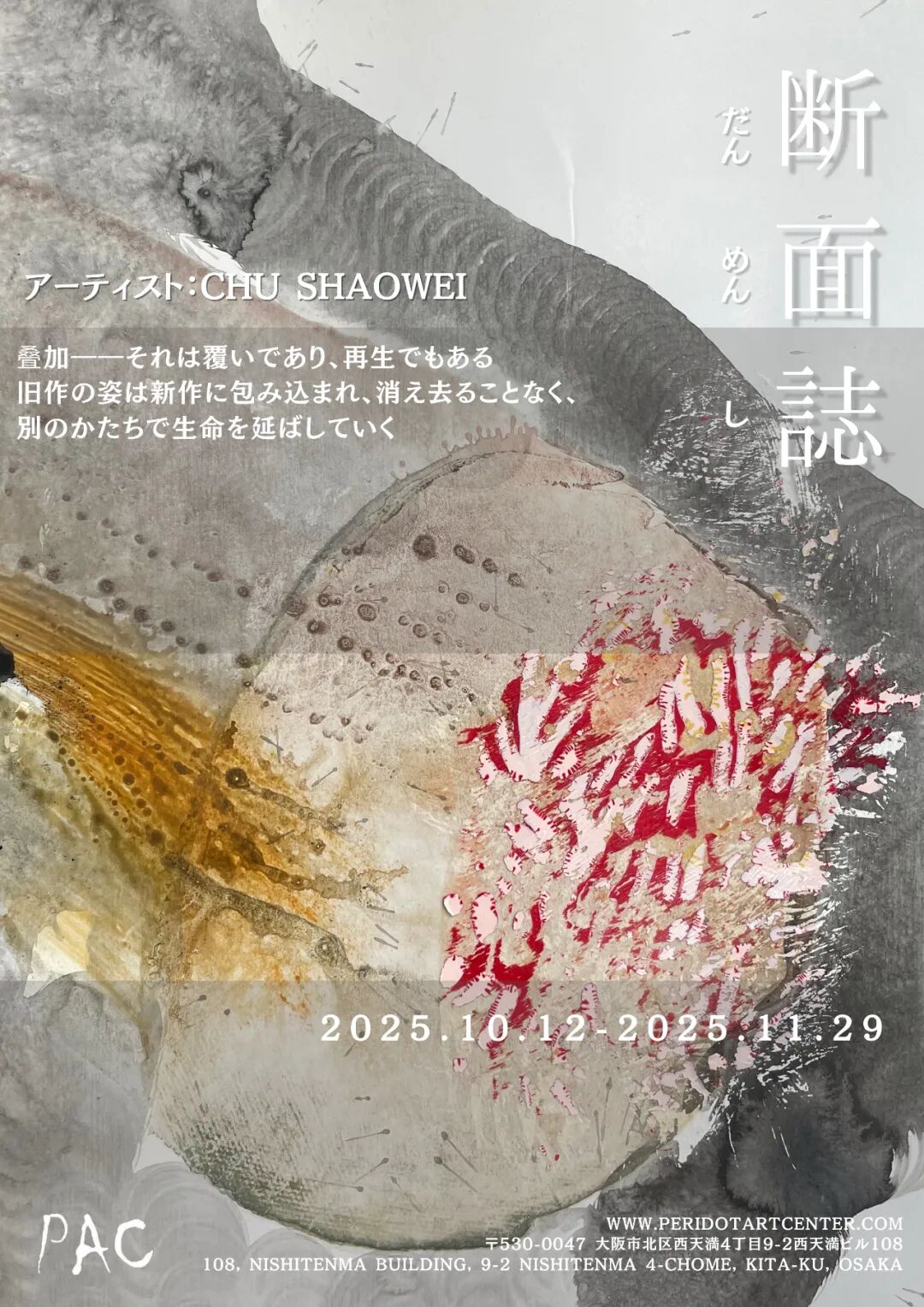
这场名为《切面编年史》的展览,始于"肉"的意象,却延伸向一个关于家庭、记忆与身份的更为复杂的叙事。通过重复,艺术家描绘这些切面,仿佛在进行一种视觉考古。每一层都是过去的一个切片——每一笔,既是回忆,也是修复。他没有直接描绘父母,而是放大这些食材的肌理,让我们感受到劳动的温度,并窥见家的轮廓。
表象之下,潜藏着"母体"与"子体"的隐喻。母体是滋养的源泉——它可能是厨房的热气、母语的腔调,或是文化传承中无形的脚手架。为了成长,子体必须离开,但也必须回归。艺术家的创作正是在这种张力中展开:通过重复、重构与层叠,经验在新的语境中得以重生。
在此,艺术成为一种回归的姿态。艺术家用画布、树脂与颜料,制造出一种"再造之肉"——一个悬浮于半透明之中的图像之躯,将父母的世界转译成他自己的视觉语言。这不是模仿,亦非怀旧,而是从亲身体验中蒸馏出的文化重构。这种重构,本质上是一种代际迁徙。在多重文化景观中成长的艺术家,注定要在流转的体系间寻找自我。他的作品不仅成为个人记忆的可视化,更是一种翻译的实验:文化的芬芳、生活的节奏、情感的肌理,如何才能转化为一种超越边界的视觉语言?在这个意义上,艺术家既是翻译者,也是被翻译者。
在众多作品中,我尤其被那个以半透明立方体为核心的作品所吸引。肉的纹理被封存在蓝色树脂中,仿佛悬浮于某种液态的记忆里。它不是冰冷的标本,而是被封存于时间之中的活的生命体。它提醒我们,身份、记忆与文化,或许都像这个立方体——不断地层叠、溶解、重组——直至结晶成一种属于自己的透明存在。
迁徙本身,就是一个对语言、习惯与角色不断翻译和重塑的过程。艺术的力量,在于它能使这些转变变得可见。它让我们能够弥合断裂,在距离面前重建连接。
《切面编年史》并非关于食物的系列——它是一个关于再生的故事。它揭示出,当人通过艺术转向母体,个人的记忆便能演变为集体的情感。当艺术不被视为终点,而被视作延续时,生活的断裂与伤痕,或许恰恰标志着新生的开始。

Intergenerational Migration: Rebirth Between Cross-Sections Chronicles
When I first encountered this series of works, the red-veined surfaces appeared to breathe silently. The fibers of meat, the cross-sections of fat, the translucent layers—under the light, they glimmered with a sheen that felt both tangible and distant. In that moment, what came to mind was not food, but memory—something rooted in family, and in the deeper architecture of life itself. The artist’s parents once ran a yakiniku (grilled meat) restaurant in Tokyo. For years, their days were sliced into endless repetitions: purchasing, cutting, weighing, smoke and flame... The artist once displayed stacks of old beef purchase tickets—receipts that, over time, became a record not only of economic exchange, but also of labor’s rhythm and the warmth of parental devotion.
This exhibition, titled Chronicle of Cross-Sections, begins with the imagery of“meat,”yet extends toward a far more intricate narrative about family, memory, and identity. Through repetition, the artist paints these cross-sections as if conducting a kind of visual archaeology. Each layer is a slice of the past—each brushstroke, both a recollection and an act of repair. Instead of portraying his parents directly, he magnifies the textures of these ingredients, allowing us to feel the warmth of labor and glimpse the contours of home.
Beneath the surface lies a metaphor of the“mother body”and the “offspring.”The maternal body serves as a source of nourishment—it may be the heat of the kitchen, the tone of a spoken language, or the invisible scaffolding of cultural inheritance. To grow, the offspring must depart, yet also return. The artist’s creative act unfolds within this tension: through repetition, reconstruction, and layering, experience is reborn within a new context.
Here, art becomes a gesture of return. With canvas, resin, and pigment, the artist fabricates a“regenerated flesh”—a body of images suspended in translucence, where his parents’world is translated into his own visual language. It is not imitation, nor nostalgia, but a cultural reconstruction distilled from lived, bodily experience. This reconstruction is, in essence, a form of intergenerational migration. Growing up across multiple cultural landscapes, the artist is destined to seek the self between shifting systems. His work becomes not only a visualization of personal memory, but also an experiment in translation: how can the scent of a culture, the rhythm of a life, the texture of emotion be transformed into a visual language that transcends borders? In this sense, the artist is both translator and translated.
Among the works, I am especially drawn to the one centered around a translucent cube. The meat’s texture, encased within blue resin, seems to float in a kind of liquid memory. It is not a cold specimen, but rather a living organism preserved in time. It reminds us that identity, memory, and culture might all resemble this cube—continuously layered, dissolved, and reassembled—until they crystallize into a transparent existence of their own.
Migration itself is a process of constant translation and reinvention—of language, habit, and role. The power of art lies in its ability to make these transformations visible. It allows us to mend what has been severed, to rebuild connection in the face of distance.
“Cross-Sections Chronicles” is not a series about food—it is a story of regeneration. It reveals that when one turns toward the maternal body through art, personal memory can evolve into collective emotion. When art is seen not as an end, but as a continuation, the fractures and scars of life may, in fact, mark the beginning of something new.


世代の移動――断面のあいだに生まれる再生
初めてこの作品群を目にしたとき、赤い繊維のような模様に覆われた画面が、まるで静かな呼吸のように感じられた。肉の繊維、脂肪の断面、わずかに透ける質感――それらは光を受けて、現実と非現実のあいだで揺らめくような光沢を放っていた。その瞬間に浮かんだのは、食べ物のイメージではなく、むしろ記憶そのものだった。家庭の記憶、そして生命の構造の奥底に沈む記憶である。アーティストの両親は、東京で焼肉店を営んでいる。長年にわたり、仕入れ、肉を切り、量り、煙と火に包まれる――そんな営みの積み重ねが、彼らの日常だった。作家はかつて、牛肉の仕入れ伝票を束ねた作品を発表したことがある。そこには経済の流れだけでなく、両親の労働のリズムと感情の温度が刻まれていた。
今回の展覧会《断面誌》は、「肉」というイメージを出発点にしながらも、家族や記憶、アイデンティティへと物語を拡張していく。作家は肉の断面を繰り返し描くことで、過去の生活を掘り起こすような視覚的アーカイブをつくり上げた。それは過去への回帰であると同時に、傷を縫い直すような行為でもある。彼は両親の姿を直接描くことなく、食材のテクスチャーを拡張することで、労働の温度と家庭のかたちを映し出している。
この作品群には「母体と子体」という象徴的な関係が潜んでいる。母体とは、栄養の源であり、台所の熱気、言葉の響き、そして文化の基層をも含むもの。子体が成長するとは、その母体から離れ、再びつながり直すことでもある。作家の創作は、まさにその張りつめた関係の中で生まれている。
再描写・再構成・重ね描き――それらのプロセスによって、経験は新しい文脈の中で再生されていく。制作の行為は、ここでは“還元”というより、むしろ“母なるものへの返礼”に近い。キャンバスや樹脂、顔料を用いて、作家は「再生した肉体」をつくり出す。それは過去を模倣するものではなく、郷愁でもない。身体の記憶から抽出された、文化の再構築そのものだ。この「再構築」は同時に、「世代の移動(Migration)」でもある。複数の文化圏のあいだで育った作家にとって、自己を見出すことは常に翻訳のプロセスを伴う。本作は個人の記憶の可視化であると同時に、「翻訳」という実験でもある。――文化の匂い、生活のリズム、感情の肌理を、いかに視覚的言語へと変換し得るのか。この意味において、作家は“翻訳者”であると同時に、“翻訳される存在”でもある。
展示の中で特に印象的なのは、立方体を中心に構成された作品だ。肉のテクスチャーが青い透明層の中に封じ込められ、まるで液体の記憶に漂う生命体のように見える。それは冷たい標本ではなく、時間に抱かれた生の断片である。その立方体を見ていると、私たちの記憶やアイデンティティ、文化もまた、層を成しながら包まれ、溶け、再構築されていく――そうしてしか生まれ得ない“透明な存在”なのではないかと思わされる。
移民としての生は、絶えず翻訳と再生の連続だ。言語も習慣も役割も、移動の中で形を変えていく。しかし芸術の力は、その変化を“見える形”にすることにある。断裂を縫い合わせ、疎外を超えて、再び世界とつながるために。
《断面誌》は食の作品ではない。それは「再生」の物語であり、芸術を通して母体を見つめ直す試みだ。個人の記憶が公共の感情へと広がっていく瞬間――芸術が終点ではなく、継承のかたちとして息づくとき、断裂や傷跡は、新しい生命のはじまりとなる。


分享到微信,
请点击右上角。
再选择[发送朋友]
或[分享到朋友圈]